
|
3rd Annual California Indian Museum and Cultural Center Community Awards Nominations |
|
|
|
|
Written by Administrator
|
|
Friday, 22 January 2010 00:00 |
|
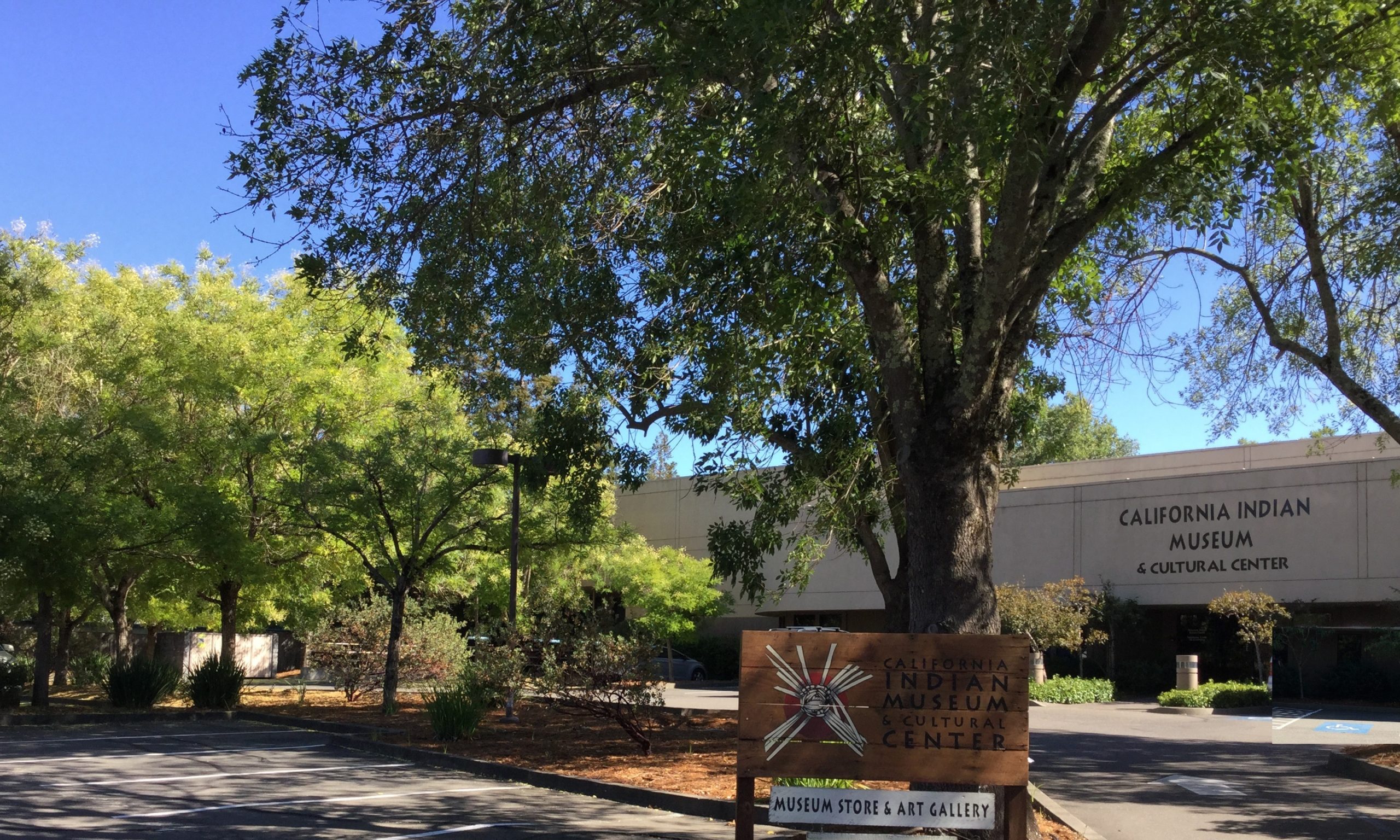
The Board of Directors of the California Indian Museum and Cultural Center are sponsoring three awards to be given at this year's 11th Annual For All My Relations: Conference For Indian Families, July 15th in Garden Grove, California. The awards include: the Cultural Guardian Award, The Emerging Leader Award and the Leadership in Action Award. Past award recipients include the following:
The Cultural Guardian Award - Ernest Silva, Dorothy Ramon Learning Center; Julia Parker, Pomo/Miwok
The Emerging Leader Award - Chairman James Ramos, The San Manuel Band of Mission Indians; Chairman Robert Salgado, Soboba Band of Luiseno Indians
The Leadership in Action Award - William Madrigal, Jr., Cahuilla; Rebecca Muno, Luiseno
Nominations are currently being accepted for the following:
|
|
Last Updated on Friday, 22 January 2010 22:11 |
|
Read more...
|
|
|
Xah-De-Mah (Good Time Fun): The California Indian |
|
|
|
|
Written by Administrator
|
|
Friday, 22 January 2010 00:00 |
|
The California Indian - California Indian Museum and Cultural Center Newsletter
Download a copy of the CIMCC Newsletter here |
|
Last Updated on Friday, 22 January 2010 22:03 |
|
New EXHIBITION at the California Indian Museum and Cultural Center
Among California Indians, none have figured more prominently in the public eye than Ishi. When Ishi arrived out of the foothills of Northern California into the town of Oroville in 1911, he was mistakenly characterized as a “wild” and “primitive” Indian, the “last of a Stone Age tribe”. These assumptions caused him to be brought to the University of California, Museum of Anthropology in San Francisco as a research subject by anthropologist, Alfred Kroeber. Ishi remained at the museum and shared cultural and historical information with scientists and the public during his five-year residence. He passed away in 1916 after having contracted tuberculosis while in San Francisco. Despite his close friendship with Kroeber and other University luminaries, at death, his remains were subjected to the indignity of an autopsy. His brain was removed in the interests of science. It disappeared for 83 years and resurfaced in a glass jar on a Smithsonian Institute shelf in 1999 after Ishi’s tribal relations mounted a successful effort to repatriate his remains under the Native American Graves Protection and Repatriation Act.
|
|
Read more...
|
|
|
|
|